Bone Grafting for Dental Implants in Brazil: An International Patient Guide
What international patients should ask when bone grafting is discussed as part of dental implant planning in São Paulo.
Quick answer: A bone graft is not an automatic part of every dental implant. It may be considered when the clinician believes the available bone or anatomy does not support the proposed rehabilitation as planned. The reason, material, sequence, risks, alternatives, and travel implications should be explained for the individual patient.
International patients sometimes receive a brief message saying that a graft “may be needed.” Treat that as a question to investigate, not a confirmed procedure. Final planning can depend on examination findings and appropriate imaging after you arrive.
Why bone is assessed before implant treatment
An implant is placed in the jaw, so the team evaluates the proposed site and the final restoration it must support. The assessment is broader than a single measurement. It may include the condition of the gums, nearby teeth, bite, previous extractions or infection, health history, and the shape and position of relevant anatomy.
If bone grafting is proposed, ask the clinician to show which finding matters and how it connects to the restorative goal. Also ask whether a different implant position, prosthetic approach, staged plan, or no treatment is a reasonable alternative.
What imaging can and cannot establish
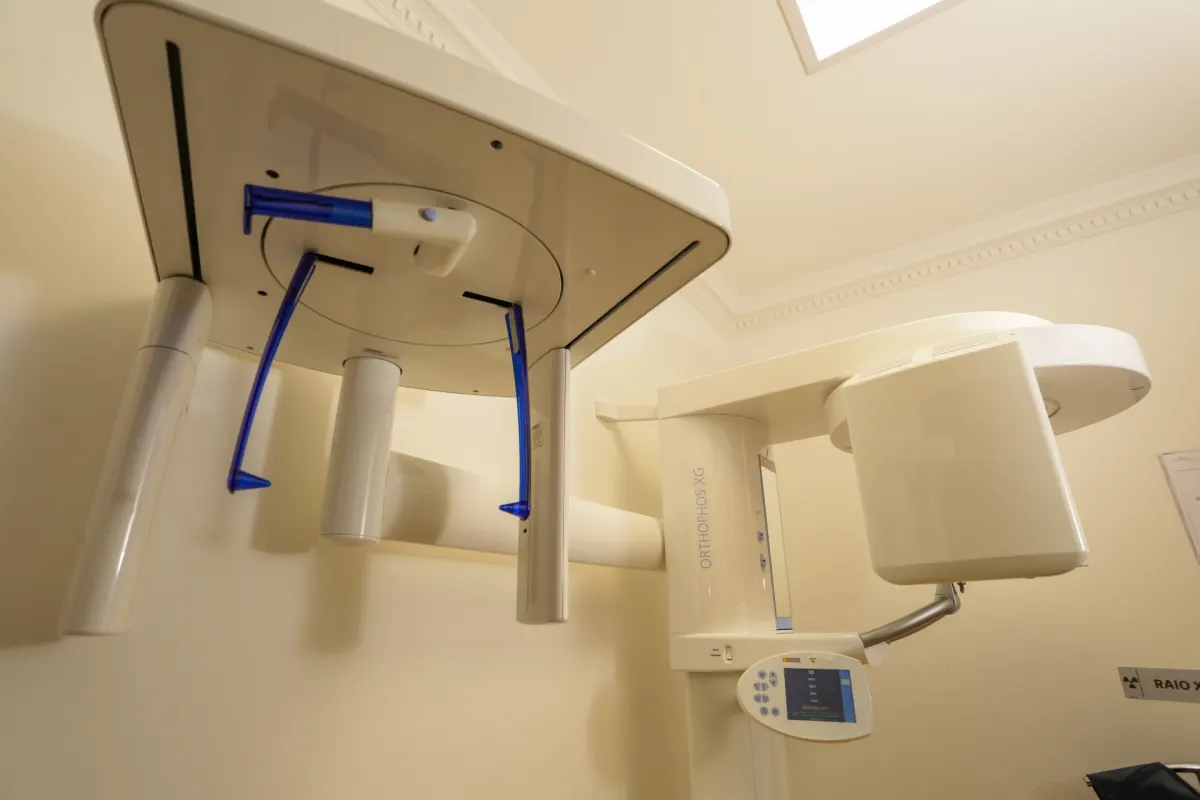
Dental X-rays or cone-beam computed tomography may be requested when they are clinically necessary. The FDA explains that dental CBCT creates three-dimensional information that can help with certain diagnostic and treatment-planning questions, including implant planning. It also recommends that X-ray examinations be justified and optimized rather than performed routinely.
Ask whether your recent files are usable, why a new exam is needed, and which question it will answer. Imaging should inform a clinical decision; it does not replace a health history or examination.
Clarify the graft material and proposed sequence
“Bone graft” describes a category of procedures, not one identical product or technique. Ask what material and approach are proposed, where the material comes from, why it suits the plan, and whether the graft and implant would be placed together or in separate stages. Ask how the team evaluates healing before moving to the next stage.
Do not assume that a combined procedure is always faster or that a staged approach means something went wrong. The sequence should follow the clinician’s assessment of the site and the treatment objective.
Discuss risks, uncertainty, and consent
Ask about the material risks relevant to the proposed site and technique, including what might delay healing or require a change in plan. Share medicines and conditions that could affect bone healing, infection risk, bleeding, or medication decisions. Do not stop prescribed medicine for dental treatment unless the appropriate clinician tells you to do so.
The written consent discussion should distinguish expected recovery from warning signs and explain who to contact. If the explanation is unclear in English, request language support before agreeing to treatment.
Build a realistic travel and follow-up plan
A graft may add a healing phase or later reassessment. Ask which appointments require you to be in São Paulo, whether a return trip is possible, and what can be coordinated with a dentist at home. Keep flights and accommodation flexible until the clinical sequence is clearer.
Before leaving, request a summary of the procedure, materials used, images where appropriate, aftercare instructions, and the expected date or condition for the next evaluation. A remote message can support communication, but some decisions still require an in-person review.
For related planning, read the dental implant stages guide and the international patient FAQ. Hori Clinic lists its address in Jardim Paulista, São Paulo; contact the team to ask which records should be reviewed before a visit.
Questions to place in the written treatment plan
Ask the plan to identify the graft site, objective, proposed material, expected sequence, and the finding that will determine readiness for the next stage. It should state which part of the estimate could change after examination or during the procedure. If a membrane, fixation device, or other material may be used, ask how it will be documented in your records.
International patients should confirm the early review window, the contact route outside office hours, and who will evaluate a concern after they return home. Ask whether the clinic expects a local dentist to remove sutures, take an image, or provide a later review, and arrange that care before travelling. This written pathway is especially useful when healing separates grafting from implant placement or the final restoration.
Educational information only. This article is not a diagnosis or personalized treatment recommendation and does not replace an evaluation by a qualified professional.