Orthognathic Surgery in Brazil: Planning and Recovery for International Patients
A structured overview of corrective jaw surgery planning, hospital care, recovery, and cross-border follow-up for international patients.
Quick answer: Orthognathic surgery is a coordinated treatment pathway, not a stand-alone travel procedure. Planning may involve an oral and maxillofacial surgeon, orthodontist, diagnostic records, hospital and anesthesia teams, recovery support, and follow-up over an extended period. International patients need a cross-border plan before selecting a surgery date.
Corrective jaw surgery changes the position of one or both jaws to address a diagnosed structural relationship. The goals may involve bite and function as well as facial balance. A website photograph or online simulation cannot establish whether surgery is appropriate.
Confirm the diagnosis and goals
Ask the team to explain the jaw relationship, bite findings, symptoms, functional goals, appearance considerations, and reasonable alternatives. Clarify which concerns surgery is expected to address and which may not change.
Request the names and roles of the surgeon, orthodontist, hospital, anesthesia team, and other professionals. Verify the treating professionals through the appropriate registration bodies. In São Paulo, the CROSP lookup is one official resource for dental professionals.
Understand the orthodontic pathway
Many orthognathic plans include orthodontic preparation before surgery and continued orthodontic care afterward. Ask what dental alignment is needed, how readiness for surgery is determined, and who will manage orthodontics if you live abroad.
Changing orthodontists across countries can add complexity. Before starting, confirm how records, appliances, emergencies, and adjustments will be coordinated and whether the local orthodontist agrees with the plan.
Review records and digital planning carefully
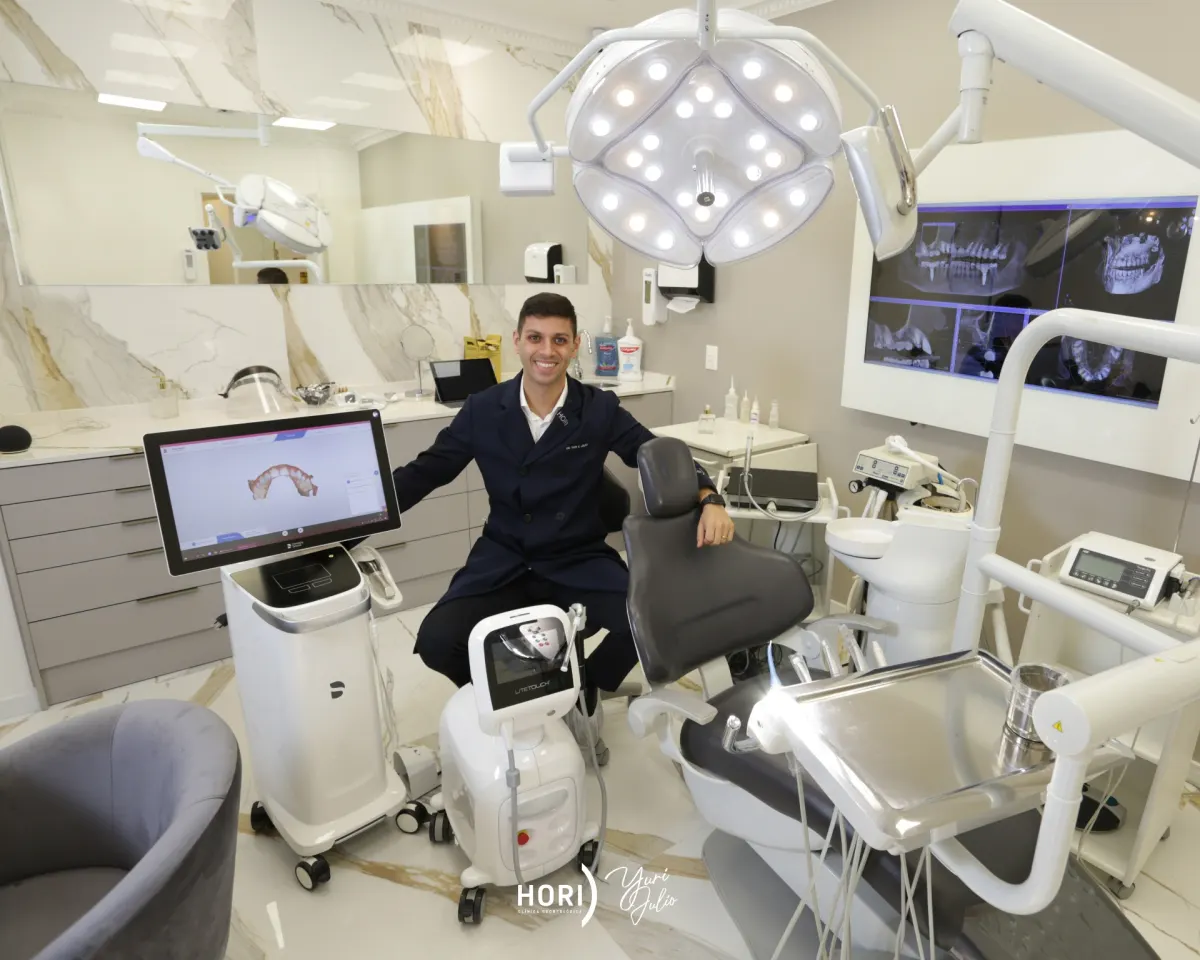
Planning may use clinical photographs, dental models or scans, X-rays, three-dimensional imaging, and bite records. Ask what each record contributes and how the team checks that the plan matches the surgical and orthodontic goals.
Digital simulation can help visualize movements and prepare surgical guides, but it is still a planning tool. Read more in the guide to digital planning for jaw surgery.
Prepare for hospital surgery and consent
Discuss the hospital, expected admission, anesthesia, fasting and medicine instructions, blood tests or other pre-operative assessment, and who will support you after discharge. Bring a complete medicine list and follow the team’s instructions; do not stop medication on your own.
Consent should cover the proposed movements, alternatives, expected changes, material risks, numbness or altered sensation, infection, bleeding, bite concerns, possible additional procedures, and uncertainties. The Cambridge University Hospitals patient guide illustrates the breadth of preparation and recovery topics patients should discuss with their own team.
Plan recovery beyond the first days
Recovery may involve swelling, nasal or throat symptoms depending on the procedure, altered sensation, diet progression, oral hygiene, medication, movement guidance, and scheduled reviews. The details vary. Ask what supplies and support you will need, when urgent contact is required, and which activities must wait.
Arrange suitable accommodation, an adult support person if recommended, transport to reviews, and flexibility if discharge or travel timing changes. Do not schedule tourism as if recovery were predictable.
Build long-term cross-border follow-up
Before surgery, decide who will review you after you return home and how the surgeon and orthodontists will communicate. Request copies of imaging, operative and discharge summaries, implant or plate information when relevant, medication records, and follow-up instructions.
Ask when an in-person surgical review is expected and whether future travel to São Paulo may be necessary. A remote appointment can support communication but may not replace examination or imaging.
Hori Clinic is located in Jardim Paulista, São Paulo. International patients can read the travel planning guide and contact the team to ask what records are needed for an initial evaluation.
Prepare a shared plan for care in two countries
Ask the São Paulo team and your local orthodontist or clinician to agree on responsibilities before surgery. The plan should identify who manages orthodontic adjustments, urgent appliance problems, post-operative imaging, nutrition questions, and reviews after you return. Confirm how records will be transferred and which language or file format is needed.
Keep a personal timeline with pre-operative appointments, hospital dates, early surgical reviews, orthodontic follow-up, and the earliest date travel may be considered. Treat flight dates as adjustable until the surgeon reviews your recovery. If a complication or delay occurs, know where you can stay and who can accompany you. This preparation does not remove uncertainty, but it makes the pathway and handoffs clearer for everyone involved.
Educational information only. This article is not a diagnosis or personalized treatment recommendation and does not replace an evaluation by a qualified professional.